Water Treatment Plant Installation UAE | Industrial Water Treatment Experts
Learn why professional water treatment plant installation in UAE is essential for industries, factories, food processing plants, poultry farms, and manufacturing facilities.
Suggested URL Slug:
water-treatment-plant-installation-uae-industries
Primary Keyword:
Water Treatment Plant Installation UAE
Secondary Keywords:
Industrial water treatment UAE, wastewater treatment plant UAE, STP installation UAE, ETP installation UAE, RO plant installation UAE, water treatment companies in UAE
Water Treatment Plant Installation UAE: Why Professional Water Treatment Plant Installation Matters for Industries
Water is one of the most critical resources for industrial operations in the UAE. From factories and food processing plants to poultry farms, bottling facilities, warehouses, stables, and manufacturing units, water is required for production, cleaning, cooling, processing, hygiene, and utility systems.
At the same time, industries in the UAE are expected to manage water responsibly. The UAE Water Security Strategy 2036 aims to reduce total demand for water resources by 21%, increase water productivity, reduce water scarcity, and increase the reuse of treated water to 95%.
This makes professional water treatment plant installation in UAE an important investment for industrial businesses. A properly designed and installed water treatment system helps industries improve operational reliability, meet discharge
requirements, reduce water waste, protect equipment, and support long-term sustainability.
What Is a Water Treatment Plant?
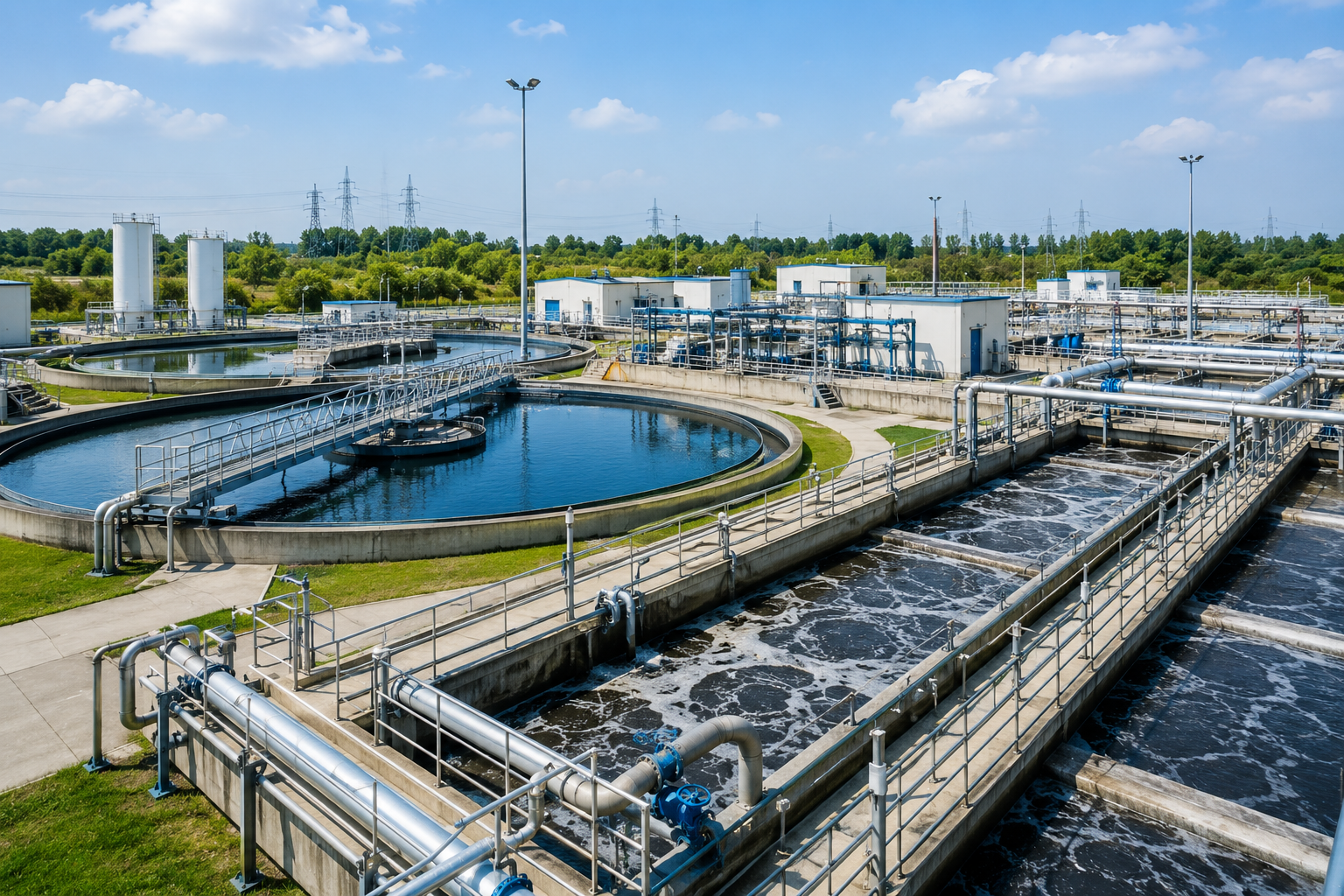
A water treatment plant is a system designed to remove unwanted particles, chemicals, contaminants, dissolved solids, oils, organic matter, and other impurities from water or wastewater.
For industrial facilities, water treatment plants may include:
● STP: Sewage Treatment Plant
● ETP: Effluent Treatment Plant
● RO Plant: Reverse Osmosis Plant
● Greywater Treatment System
● Filtration System
● Water Softener System
● UV Disinfection System
● Chemical Dosing System
● Oil and Grease Trap System
● Sludge Handling System
● Treated Sewage Effluent, or TSE, Reuse System
Each system has a different purpose. For example, an STP treats sewage wastewater, an ETP treats industrial effluent, and an RO plant removes dissolved salts and impurities to improve water quality for process use.
Why Water Treatment Plant Installation Matters in UAE Industries
Industrial water treatment is not just about installing tanks, pumps, and pipes. It requires proper engineering, system sizing, civil work, MEP coordination, automation, commissioning, and maintenance planning.
Poor installation can lead to system failure, bad water quality, overflow issues, odor problems, high operating costs, regulatory risks, and damage to industrial equipment.
Professional installation ensures that the water treatment plant is designed according to the actual site condition, water quality, flow rate, industry type, and discharge or reuse requirement.
1. Ensures Compliance with UAE Water and Wastewater Requirements
Industries cannot treat wastewater management as a basic utility issue. In Dubai, for example, industrial wastewater cannot be discharged into the public sewerage network unless the competent authority verifies that the wastewater meets the required standards.
Dubai Municipality also lists regulations related to sewage, irrigation, treated sewage effluent, wastewater, and sludge management, showing the importance of proper wastewater handling and treated water use.
A professionally installed water treatment plant helps industries manage wastewater safely and in line with local requirements. This is especially important for factories, food processing units, poultry farms, workshops, and production facilities where wastewater may contain organic load, oils, chemicals, suspended solids, or process residues.
2. Protects Industrial Equipment and Utility Systems
Untreated or poorly treated water can damage industrial systems over time.
Hard water, high TDS, suspended solids, iron, chlorine, oil, grease, and biological contamination can affect:
● Boilers
● Chillers
● Cooling towers
● Pumps
● Heat exchangers
● RO membranes
● Process machinery
● HVAC systems
● Cleaning systems
● Production lines
● Plumbing networks
For example, hard water can cause scale buildup inside pipelines and equipment. Poor filtration can damage pumps and valves. High contamination levels can reduce the life of process machinery.
A professional water treatment plant installation ensures that water quality is suitable for the facility’s actual operation. This improves equipment life, reduces breakdowns, and lowers maintenance costs.
3. Improves Water Reuse and Reduces Waste
Water reuse is becoming increasingly important in the UAE because the country places strong focus on water security and sustainability. The UAE Water Security Strategy 2036 specifically targets higher reuse of treated water as part of national water management goals.
Industries can use treated water for suitable non-potable applications such as:
● Landscape irrigation
● Toilet flushing
● Vehicle washing
● Floor washing
● Cooling tower makeup, depending on quality
● Dust control
● Certain industrial cleaning applications
● External area washing
The exact reuse application depends on the treatment quality and local approval requirements. A professional contractor can design the treatment process correctly so that treated water is safe, stable, and suitable for the intended reuse.
4. Reduces Operating Costs in the Long Term
A low-quality installation may look cheaper at the beginning, but it often becomes expensive later.
Common problems from poor installation include:
● Frequent pump failure
● Poor treatment performance
● High chemical consumption
● Bad odor
● Excess sludge generation
● Overflow issues
● Electrical faults
● Control panel failures
● Pipeline leakage
● Membrane damage
● Unstable treated water quality
A professionally installed water treatment plant reduces these risks. Proper system selection, hydraulic design, equipment alignment, automation, and commissioning help the plant operate efficiently from the beginning.
This reduces unnecessary maintenance, emergency repairs, water wastage, and production interruptions.
5. Supports Continuous Industrial Operations
Many industries in the UAE operate on tight production schedules. Food processing plants, bottling plants, poultry farms, packaging units, and factories cannot afford long shutdowns due to water system failure.
A reliable water treatment plant supports continuous operation by ensuring that clean water, treated water, or process water is available when required.
Professional installation includes:
● Correct tank sizing
● Proper pump selection
● Flow balancing
● Standby equipment planning
● Electrical protection
● Automation controls
● Emergency overflow planning
● Maintenance access
● Commissioning and testing
This helps the plant perform consistently, even during high-demand periods.
6. Improves Hygiene and Safety
For industries such as food processing, poultry farms, dairy units, bottling plants, commercial kitchens, and cold storage facilities, water quality directly affects hygiene and operational safety.
Poor wastewater handling can create odor, bacterial growth, pest issues, and unsafe working conditions. Poor process water quality can also affect cleaning performance and production standards.
A professional water treatment plant installation improves hygiene by ensuring correct treatment stages such as filtration, biological treatment, chemical dosing, disinfection, and sludge control.
This is especially important in industrial environments where cleanliness, controlled drainage, and safe wastewater disposal are part of daily operations.
7. Provides the Right Treatment Technology for Each Industry
Every industry has different water treatment needs. A system designed for a residential building may not be suitable for a food factory or poultry farm.
Professional water treatment plant installation starts with understanding the industry.
Food Processing Plants
Food processing facilities may require wastewater treatment for organic load, oils, fats, suspended solids, cleaning chemicals, and high water usage.
Bottling Plants
Bottling plants may need RO systems, filtration, UV treatment, softening, and process water quality control.
Poultry Farms
Poultry farms may require water filtration, disinfection, wastewater treatment, odor control, and safe drainage planning.
Manufacturing Facilities
Factories may need ETP systems for process wastewater, chemical dosing, pH correction, sludge handling, and discharge control.
Stables and Agricultural Facilities
Stables may require wastewater collection, biological treatment, odor control, and treated water reuse for suitable external applications.
Professional contractors understand these differences and design systems according to real operational needs.
8. Ensures Proper Civil, MEP, and Automation Integration
A water treatment plant is not only a mechanical system. It must be integrated with the full industrial facility.
Professional installation requires coordination between:
● Civil foundations
● Drainage lines
● Plumbing networks
● Electrical supply
● Control panels
● Pumps and motors
● Sensors and instruments
● Chemical dosing systems
● Ventilation
● Access platforms
● Automation systems
● Maintenance areas
● Safety systems
If this coordination is poor, the plant may face operational issues after installation.
For example, an STP may fail if inlet levels are incorrect. An RO plant may underperform if feed water pressure is unstable. An ETP may create problems if chemical dosing and sludge removal are not planned properly.
Professional installation avoids these issues through proper engineering and execution.
9. Enables Automation and Real-Time Monitoring
Modern water treatment plants can be automated using PLC panels, sensors, level controls, flow meters, pressure switches, dosing controls, and alarm systems.
Automation helps facility teams monitor:
● Tank levels
● Pump operation
● Flow rates
● Pressure
● pH levels
● TDS levels
● Chemical dosing
● Motor faults
● System alarms
● Treated water quality
● Maintenance alerts
This is highly valuable for industrial facilities that need reliable operation with limited manual intervention.
Automation also reduces human error and helps maintenance teams respond quickly before small issues become major failures.
10. Improves Sustainability and Corporate Responsibility
Sustainability is becoming an important part of industrial development in the UAE. Water-efficient systems support national sustainability goals and help industries reduce environmental impact.
The UAE Government describes water security as a national priority due to the country’s arid location, limited natural water resources, and high development demand.
By installing a professional water treatment plant, industries can reduce unnecessary freshwater consumption, improve wastewater management, reuse treated water where suitable, and operate more responsibly.
This strengthens both operational performance and brand reputation.
Types of Water Treatment Plant Installation Services in UAE
Industrial water treatment contractors may provide different solutions based on the project requirement.
Sewage Treatment Plant Installation
STP systems treat sewage wastewater from industrial facilities, labor facilities, staff accommodation, commercial buildings, farms, and factories.
Effluent Treatment Plant Installation
ETP systems treat industrial wastewater generated from production, washing, processing, chemicals, oils, and other industrial activities.
Reverse Osmosis Plant Installation
RO plants remove dissolved salts and impurities from water, making them suitable for many industrial and process applications.
Greywater Treatment System Installation
Greywater systems treat water from selected sources such as wash basins, showers, or cleaning areas for suitable reuse applications.
Filtration and Softening System Installation
Filtration and softening systems improve water quality by removing suspended solids, hardness, iron, chlorine, and other unwanted elements.
Treated Water Reuse System Installation
Treated water reuse systems help industries reduce freshwater demand by using treated water for approved non-potable applications.
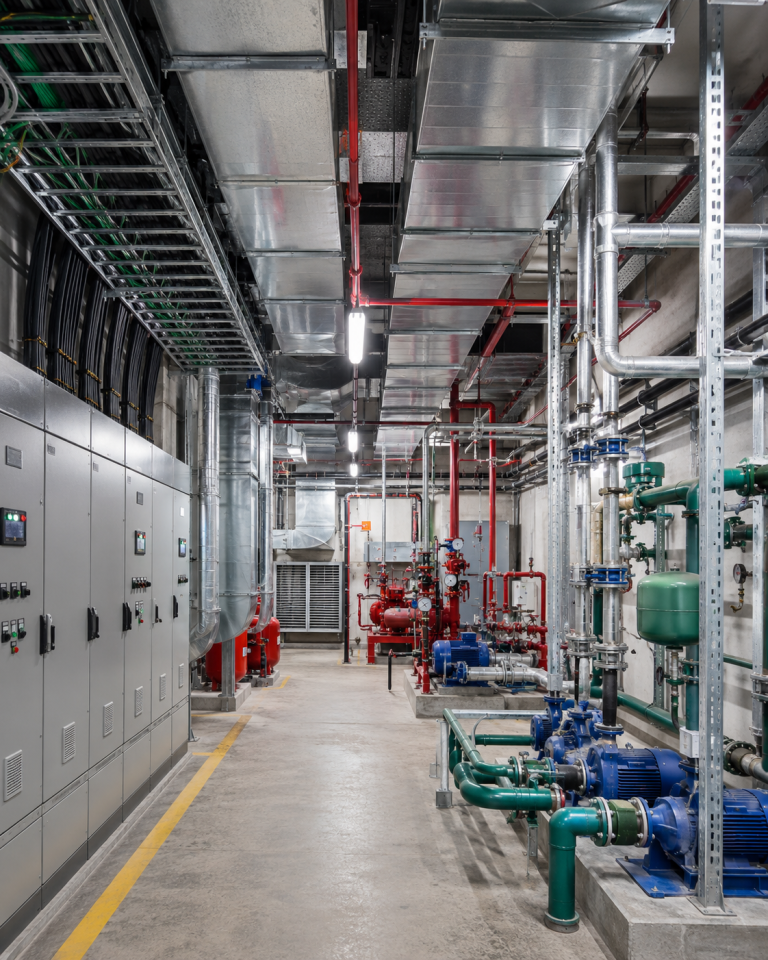
Key Components of a Professional Water Treatment Plant
A complete industrial water treatment plant may include:
● Collection tank
● Equalization tank
● Screening system
● Oil and grease trap
● Aeration system
● Biological treatment unit
● Clarifier
● Pressure sand filter
● Activated carbon filter
● Softener
● RO membranes
● UV sterilizer
● Chemical dosing system
● Sludge handling system
● Pumps and blowers
● Control panel
● Sensors and automation
● Treated water storage tank
● Discharge or reuse connection
The final configuration depends on the water source, wastewater quality, treatment objective, flow rate, site space, and local authority requirements.
Why Industries Should Avoid Poor-Quality Installation
A water treatment plant must be installed with precision. Poor installation can cause serious operational problems.
Common issues include:
● Incorrect system capacity
● Wrong pump selection
● Poor pipe routing
● Weak foundations
● Inadequate ventilation
● Bad electrical wiring
● No automation control
● Poor access for maintenance
● Incomplete testing
● No commissioning records
● Poor sludge management
● System overflow
● Odor problems
● Non-compliant discharge quality
These problems can affect production, safety, compliance, and operational cost. That is why industries should work with experienced engineering contractors instead of choosing installation based only on the lowest price.
How to Choose a Water Treatment Plant Installation Company in UAE
When selecting a contractor, industries should look for technical capability, not just equipment supply.
A reliable water treatment plant installation company should provide:
● Site inspection
● Water analysis coordination
● System design
● Civil and MEP planning
● Equipment selection
● Pump and panel installation
● Piping and drainage work
● Automation integration
● Testing and commissioning
● Operator training
● Maintenance support
● Documentation and handover
The best contractor should understand both water treatment technology and industrial site execution.
How JBT World Supports Water Treatment Plant Installation in UAE
JBT Building Contracting LLC, known as JBT World, provides engineering-focused industrial solutions for factories, farms, production facilities, warehouses, stables, food processing units, and other industrial environments in the UAE.
JBT World supports clients with:
● Water treatment plant installation
● STP and ETP installation support
● RO plant and filtration system installation
● Pump and piping works
● Electrical panel and control system installation
● MEP coordination
● Civil works for plant foundations and equipment areas
● Automation and monitoring support
● Testing, commissioning, and maintenance
● Industrial facility maintenance and upgrades
With strong experience in industrial construction, MEP systems, automation, machinery installation, and facility maintenance, JBT World helps industries install water treatment systems that are reliable, practical, and suitable for real site conditions.
Conclusion
Professional water treatment plant installation in UAE is essential for industries that want reliable operations, safe wastewater handling, improved water reuse, lower maintenance costs, and better compliance readiness.
A properly installed system protects equipment, improves hygiene, supports sustainability, and helps factories manage water more efficiently. For industrial facilities in the UAE, water treatment is not just a utility system. It is a critical part of operational performance and long-term business reliability.