PLC Automation: The Key to Smarter and More Efficient Industrial Operations in the UAE
Discover how PLC automation improves productivity, reduces downtime, enhances quality control, and drives operational efficiency across manufacturing and industrial facilities in the UAE.
As industries across the UAE continue to embrace digital transformation, automation has become a critical factor in improving productivity, maintaining quality standards, and reducing operational costs. From food processing plants and bottled water facilities to manufacturing units and logistics operations, businesses are increasingly investing in advanced automation technologies to remain competitive.
At the heart of this transformation lies PLC Automation—a technology that enables industrial facilities to automate processes, monitor performance in real time, and achieve greater operational efficiency. Whether managing production lines, controlling machinery, or optimizing energy consumption, PLC systems have become an essential component of modern industrial operations.
What is PLC Automation?
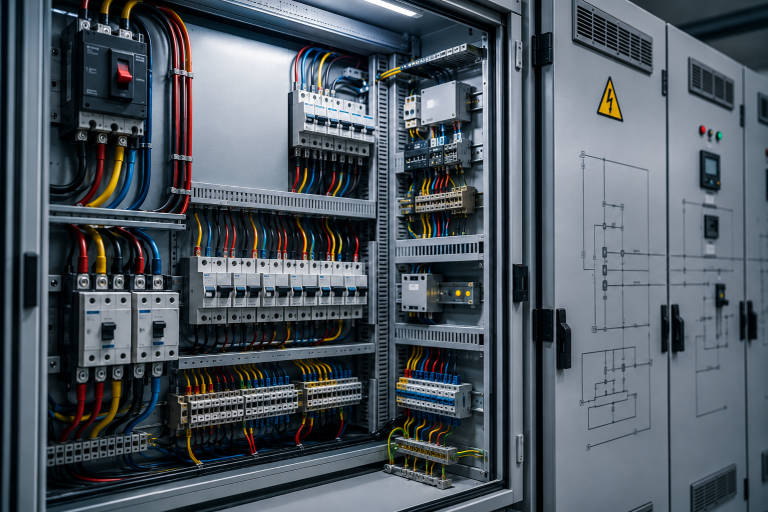
PLC (Programmable Logic Controller) automation refers to the use of industrial computers designed to control and automate machinery, equipment, and manufacturing processes.
Unlike traditional relay-based control systems, PLCs provide a flexible, reliable, and scalable solution for industrial automation. They continuously monitor inputs from sensors, process data according to programmed logic, and execute commands to control motors, pumps, valves, conveyors, and other equipment.
PLC systems are widely used in:
● Manufacturing plants
● Food and beverage processing facilities
● Poultry farms
● Bottling plants
● Water and wastewater treatment facilities
● Warehouses and logistics centers
● Packaging industries
● Chemical processing plants
Their ability to operate continuously in demanding industrial environments makes them the preferred choice for process control and automation.
Why PLC Automation is Essential for Modern Industries
1. Increased Productivity
Manual operations often limit production efficiency and create bottlenecks within industrial processes.
PLC automation enables facilities to:
● Automate repetitive tasks
● Increase production speed
● Improve workflow consistency
● Reduce manual intervention
● Operate equipment with precision
By streamlining operations, businesses can achieve higher production output while maintaining consistent quality standards.
2. Reduced Downtime
Unexpected equipment failures can significantly impact production schedules and profitability.
PLC systems continuously monitor machinery performance and can identify issues before they become major problems.
Key benefits include:
● Early fault detection
● Automated alarms and notifications
● Real-time equipment monitoring
● Faster troubleshooting
● Improved maintenance planning
This proactive approach minimizes unplanned downtime and helps maintain uninterrupted operations.
3. Enhanced Product Quality
Maintaining product consistency is crucial in industries such as food processing, pharmaceuticals, packaging, and manufacturing.
PLC automation helps ensure:
● Accurate process control
● Consistent operating parameters
● Precise temperature management
● Reliable filling and packaging operations
● Reduced human error
Automated systems can repeatedly execute the same process with exceptional accuracy, resulting in higher product quality and reduced waste.
4. Improved Workplace Safety
Industrial environments often involve complex machinery and potentially hazardous operations.
PLC automation enhances safety by:
● Controlling equipment automatically
● Monitoring critical process conditions
● Triggering emergency shutdowns
● Reducing direct human interaction with dangerous equipment
● Supporting compliance with safety regulations
These features help create a safer working environment while protecting valuable equipment and assets.
The Role of PLC and SCADA Integration
While PLCs control equipment and processes, they are often integrated with SCADA (Supervisory Control and Data Acquisition) systems to provide centralized monitoring and control.
Together, PLC and SCADA systems offer:
Real-Time Monitoring
Operators can view live process data, equipment status, and production metrics from a central control room.
Data Collection and Reporting
Historical data can be analyzed to improve efficiency, identify trends, and support informed decision-making.
Remote Access
Authorized personnel can monitor operations remotely, improving responsiveness and operational flexibility.
Performance Optimization
Continuous data analysis enables businesses to identify inefficiencies and optimize production processes.
The combination of PLC and SCADA technologies forms the foundation of smart industrial operations.
Energy Efficiency Through PLC Automation
Energy costs represent a significant operational expense for many industrial facilities.
PLC-based automation systems help reduce energy consumption by:
● Controlling equipment based on actual demand
● Optimizing motor performance through Variable Frequency Drives (VFDs)
● Monitoring energy usage in real time
● Managing HVAC and utility systems efficiently
● Eliminating unnecessary equipment operation
These capabilities not only reduce operational costs but also support sustainability objectives and environmental compliance requirements.
Applications of PLC Automation Across Industries Food and Beverage Processing
Automation ensures precise control of production lines, mixing systems, packaging equipment, and quality control processes.
Benefits include:
● Improved hygiene standards
● Consistent product quality
● Faster production cycles
● Reduced waste
Water and Wastewater Treatment Plants
PLC systems automate:
● Pump operations
● Chemical dosing systems
● Filtration processes
● Water level monitoring
● Treatment plant performance
This improves reliability while reducing manual supervision requirements.
Manufacturing Facilities
PLC automation is used to control:
● Assembly lines
● Material handling systems
● Packaging equipment
● Conveyor systems
● Production machinery
The result is improved productivity, accuracy, and operational efficiency.
Poultry and Agricultural Facilities
Automated control systems help manage:
● Ventilation systems
● Feeding operations
● Environmental monitoring
● Water supply systems
● Energy consumption
This creates optimal operating conditions while reducing labor requirements.
Supporting Industry 4.0 and Smart Manufacturing
The future of industrial operations lies in connected and intelligent systems.
PLC automation serves as a critical foundation for Industry 4.0 technologies, enabling:
● Smart factories
● IoT integration
● Predictive maintenance
● Advanced analytics
● Remote monitoring
● Artificial intelligence applications
Businesses investing in automation today are positioning themselves for greater competitiveness and long-term growth.
Choosing the Right PLC Automation Partner
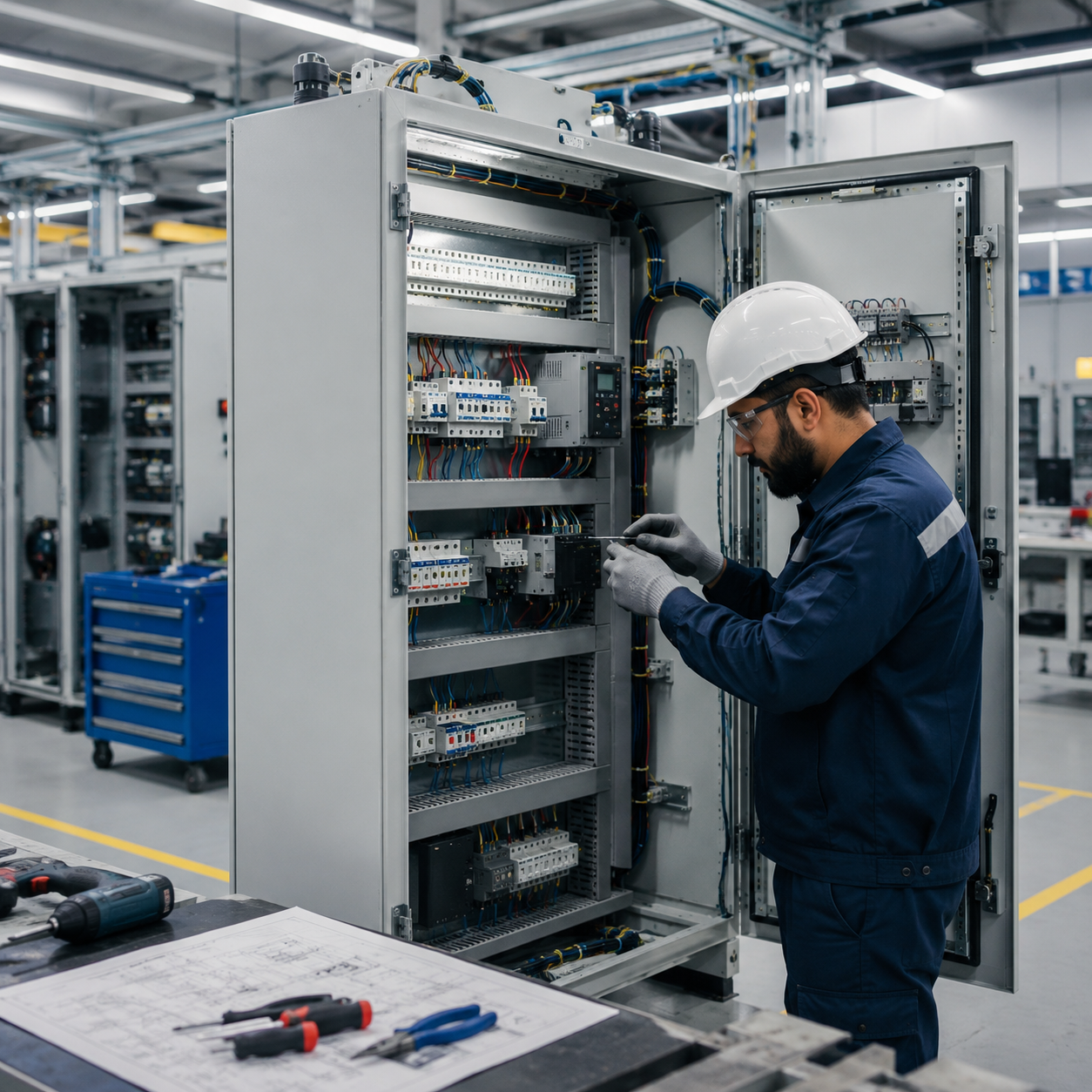
Successful automation projects require more than hardware installation. They demand expertise in process engineering, system integration, programming, commissioning, and ongoing support.
When selecting an automation partner, businesses should consider:
● Industry-specific experience
● PLC and SCADA expertise
● Custom control panel capabilities
● Integration with existing systems
● Commissioning and testing support
● Long-term maintenance services
An experienced automation contractor can design and implement solutions that align with operational goals while maximizing return on investment.
The Future of Industrial Efficiency Starts with Automation
As industrial facilities become increasingly complex, manual processes are no longer sufficient to meet modern production demands. PLC automation provides the intelligence, control, and flexibility needed to improve efficiency, reduce operational risks, and support sustainable growth.
From manufacturing plants and food processing facilities to water treatment systems and industrial infrastructure, PLC automation is helping businesses achieve higher productivity, greater reliability, and smarter operations.
Organizations that embrace automation today will be better positioned to compete in the rapidly evolving industrial landscape of the UAE and beyond.
Why Choose JBT for PLC Automation Solutions?
JBT delivers customized industrial automation solutions designed to improve productivity, reduce downtime, and optimize operational performance. Our expertise includes:
● PLC Programming and Integration
● SCADA System Development
● Control Panel Design and Fabrication
● MCC Panels and LV Switchgear
● Variable Frequency Drive (VFD) Solutions
● Energy Monitoring Systems
● Industrial Process Automation
● Testing, Commissioning, and Maintenance
Whether you are upgrading an existing facility or building a new industrial operation, our automation specialists can develop tailored solutions that meet your operational requirements.
Request a Technical Consultation
Looking to automate your industrial processes? Contact JBT today to discuss PLC automation solutions that can transform your facility into a smarter, more efficient operation.