Industrial Facility Design Strategies for High-Performance Manufacturing Plants
Discover the essential industrial facility design strategies that improve productivity, operational efficiency, safety, and scalability in modern manufacturing plants.
In today’s highly competitive manufacturing environment, facility design plays a critical role in determining operational efficiency, productivity, safety, and long-term profitability. Whether constructing a new production plant, expanding an existing factory, or upgrading industrial infrastructure, strategic facility design can significantly impact business performance.
Modern manufacturing facilities are no longer just buildings that house machinery. They are integrated operational ecosystems where civil construction, mechanical systems, electrical infrastructure, automation technologies, utilities, and production workflows must function seamlessly together.
A well-designed industrial facility not only supports current production demands but also provides the flexibility needed to accommodate future growth, technological advancements, and changing market requirements.
Why Industrial Facility Design Matters
Many industrial projects focus heavily on construction costs while overlooking the long-term operational implications of facility design. Poor planning can lead to inefficiencies that affect production output, maintenance costs, energy consumption, and workplace safety for years to come.
Effective industrial facility design helps organizations:
● Maximize production efficiency
● Reduce operational costs
● Improve worker safety
● Optimize material flow
● Support automation integration
● Minimize maintenance requirements
● Enable future expansion
● Improve energy performance
For manufacturing businesses, facility design should be viewed as a strategic investment rather than simply a construction project.
Understanding the Operational Requirements First
Successful facility design begins with a clear understanding of how the plant will operate.
Before developing engineering drawings or construction plans, project teams should evaluate:
Production Processes
Every manufacturing operation has unique workflow requirements. Questions to consider include:
● What products will be manufactured?
● What production equipment will be installed?
● What production capacity is required?
● How will materials move throughout the facility?
● What utility requirements are needed?
Understanding operational needs ensures the facility is designed around production efficiency rather than forcing operations to adapt to the building.
Future Growth Plans
One of the most common mistakes in industrial construction is designing only for immediate requirements.
Manufacturers should consider:
● Future production increases
● Additional machinery installation
● New product lines
● Warehouse expansion requirements
● Utility capacity upgrades
Designing for scalability prevents costly modifications later and allows facilities to grow with business demands.
Optimizing Plant Layout for Maximum Efficiency
The layout of a manufacturing facility directly impacts productivity and operating costs.
An efficient plant layout should minimize unnecessary movement while ensuring smooth workflow between processes.
Streamlined Material Flow
Raw materials, work-in-progress inventory, and finished products should move through the facility with minimal handling.
Benefits include:
● Reduced transportation time
● Lower labor costs
● Improved productivity
● Reduced product damage
● Better inventory management
Efficient material flow can significantly improve overall operational performance.
Equipment Placement Strategy
Production equipment should be positioned to support process efficiency while maintaining accessibility for maintenance and future modifications.
Proper equipment placement helps:
● Reduce production bottlenecks
● Improve operator efficiency
● Simplify maintenance activities
● Enhance workplace safety
Equipment layout decisions should involve engineers, operations managers, and maintenance teams during the design phase.
Integrating MEP Systems from the Beginning
Mechanical, Electrical, and Plumbing (MEP) systems are the backbone of any industrial facility.
Unfortunately, many projects treat MEP systems as secondary considerations rather than integrating them into the overall design strategy.
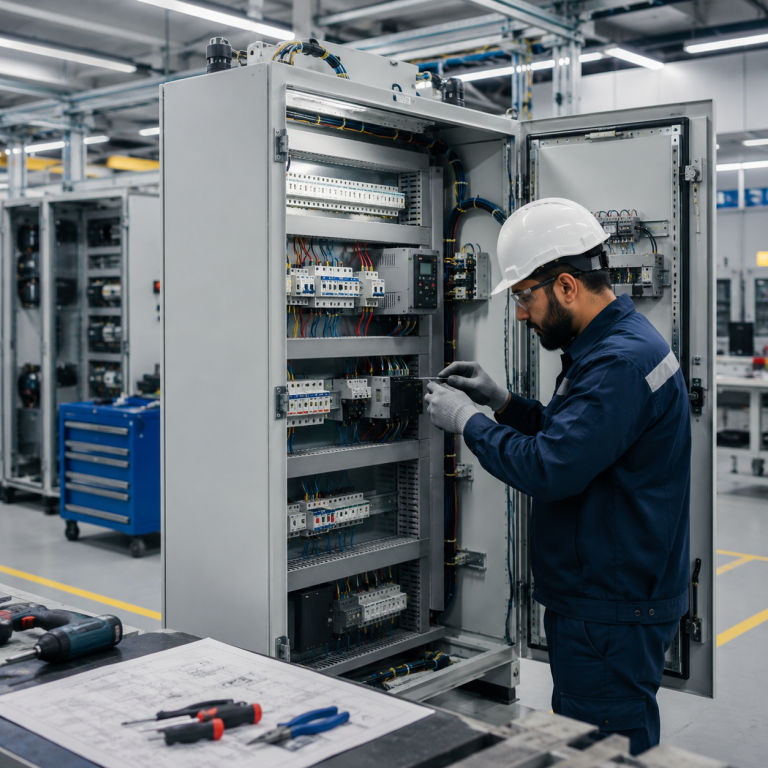
Electrical Infrastructure
Manufacturing facilities require reliable electrical systems capable of supporting:
● Production machinery
● Process equipment
● HVAC systems
● Lighting systems
● Automation controls
● Future expansion
Proper electrical design ensures operational reliability while minimizing energy losses.
HVAC Systems
Environmental control is essential in many manufacturing environments. Well-designed HVAC systems help:
● Maintain production quality
● Protect sensitive equipment
● Improve worker comfort
● Support regulatory compliance
● Reduce energy consumption
Industries such as food processing, pharmaceuticals, and electronics manufacturing particularly depend on precise environmental conditions.
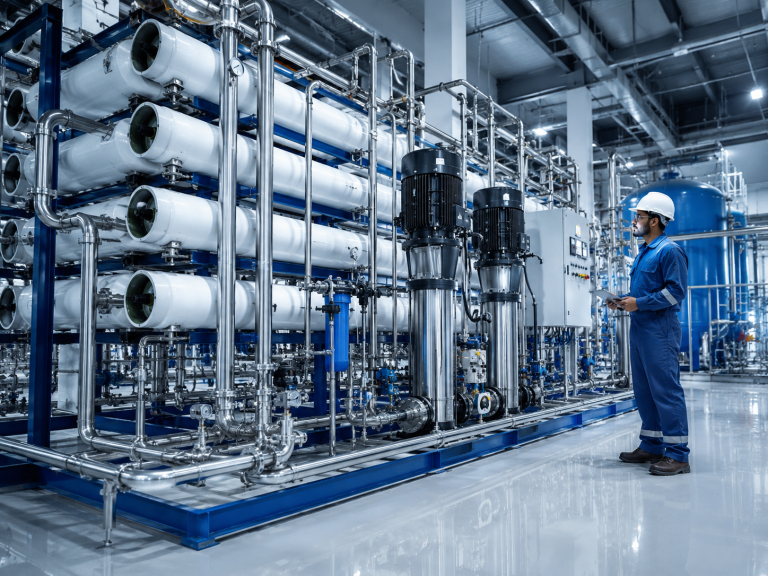
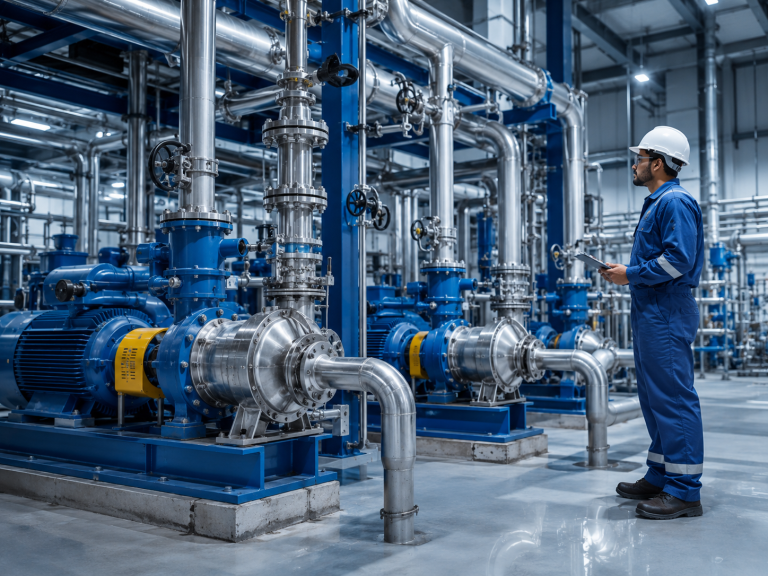
Plumbing and Utility Systems
Industrial facilities often require complex utility networks, including:
● Water distribution systems
● Compressed air systems
● Process piping
● Wastewater management
● Fire protection systems
Integrating these systems during the design stage reduces installation challenges and operational inefficiencies.
Designing for Industrial Automation
Manufacturing plants are rapidly transitioning toward automation and smart technologies.
Facility design should support the integration of:
PLC and SCADA Systems
Automation infrastructure should be incorporated from the earliest stages of facility planning.
This includes:
● Control room design
● Cable routing pathways
● Communication networks
● Equipment connectivity
● Data acquisition systems
A facility designed with automation in mind can more easily adopt Industry 4.0 technologies.
Smart Manufacturing Capabilities
Modern factories increasingly rely on:
● IoT-enabled devices
● Real-time monitoring systems
● Predictive maintenance technologies
● Energy management platforms
● Production analytics
Providing the necessary infrastructure during construction simplifies future technology upgrades.
Prioritizing Safety and Compliance
Safety is one of the most important considerations in industrial facility design.
A properly designed facility reduces risks to personnel, equipment, and operations.
Fire and Life Safety Systems
Industrial facilities should incorporate:
● Fire detection systems
● Fire suppression systems
● Emergency exits
● Evacuation routes
● Smoke management systems
Compliance with local authority requirements and industry regulations is essential throughout the design process.
Safe Work Environments
Design strategies should include:
● Adequate lighting
● Proper ventilation
● Clear access routes
● Equipment safety zones
● Pedestrian and vehicle segregation
A safer workplace contributes to improved productivity and reduced operational disruptions.
Energy-Efficient Facility Design
Energy costs represent a major expense for manufacturing operations.
Energy-efficient facility design can significantly reduce operating costs over the lifetime of a plant.
High-Efficiency Equipment
Manufacturers can lower energy consumption through:
● Efficient HVAC systems
● LED lighting
● Variable Frequency Drives (VFDs)
● High-performance motors
● Automated controls
Energy Monitoring Systems
Integrating energy monitoring technology enables organizations to:
● Track consumption patterns
● Identify inefficiencies
● Optimize equipment performance
● Reduce utility costs
Energy management is becoming an increasingly important factor in industrial competitiveness.
Planning for Maintenance Accessibility
Maintenance requirements should be considered during the design phase rather than after construction.
Facilities designed with maintenance accessibility in mind benefit from:
● Faster repairs
● Reduced downtime
● Improved equipment lifespan
● Lower maintenance costs
Critical systems should be positioned to allow safe and efficient servicing without disrupting production operations.
Sustainability in Modern Industrial Facility Design
Sustainability is becoming a key priority for manufacturers worldwide. Industrial facilities can improve environmental performance through:
● Water conservation systems
● Waste reduction initiatives
● Renewable energy integration
● Energy-efficient building materials
● Sustainable operational practices
These measures not only support environmental goals but also contribute to long-term cost savings.
The Importance of a Turnkey Design-Build Approach
Industrial facility design is most effective when engineering, construction, MEP systems, automation, and commissioning are planned together.
A turnkey approach offers several advantages:
● Better project coordination
● Reduced design conflicts
● Faster project delivery
● Improved budget control
● Enhanced system integration
● Single-point accountability
For manufacturing facilities, integrated project delivery helps ensure all systems work together efficiently from day one.
Building Facilities Designed for Long-Term Performance
The success of a manufacturing plant depends on more than production equipment. Facility design influences every aspect of operational performance, from productivity and safety to energy efficiency and future scalability.
By focusing on workflow optimization, integrated engineering systems, automation readiness, compliance, and sustainability, businesses can create high-performance facilities that support long-term growth and profitability.
Organizations that invest in strategic industrial facility design gain a competitive advantage through improved efficiency, reduced operational costs, and greater flexibility in an evolving industrial landscape.
Why Choose JBT for Industrial Facility Design and Construction?
JBT delivers comprehensive industrial facility solutions that combine engineering expertise, construction excellence, MEP integration, automation capabilities, and long-term operational support.
Our services include:
● Industrial Facility Design
● Factory Construction
● Warehouse Engineering
● MEP Systems Design and Installation
● PLC and SCADA Integration
● Water and Wastewater Infrastructure
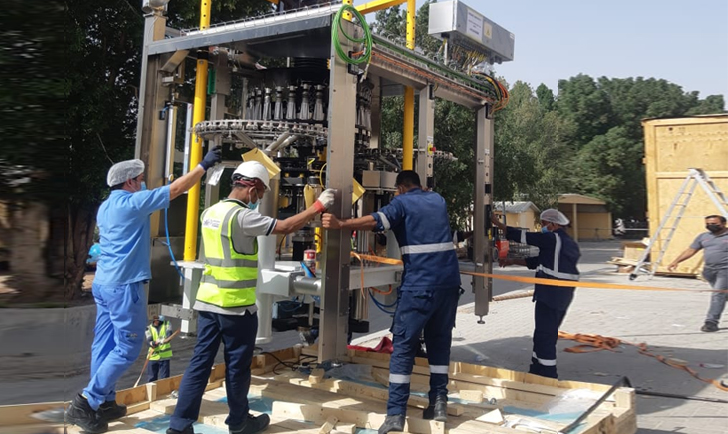
● Plant Machinery Installation
● Industrial Maintenance Services
From concept development to commissioning, JBT provides complete turnkey solutions tailored to the unique requirements of industrial clients across the UAE.
Request a Technical Consultation
Planning a new manufacturing facility or industrial expansion? Contact JBT today to discuss your project requirements and discover how our