Industrial facilities in Dubai depend on reliable electrical systems to keep production, machinery, lighting, HVAC, automation, and safety systems running without interruption. From factories and bottling plants to food processing units, warehouses, poultry farms, and maintenance facilities, safe power distribution is not optional. It is a core requirement for operational continuity.
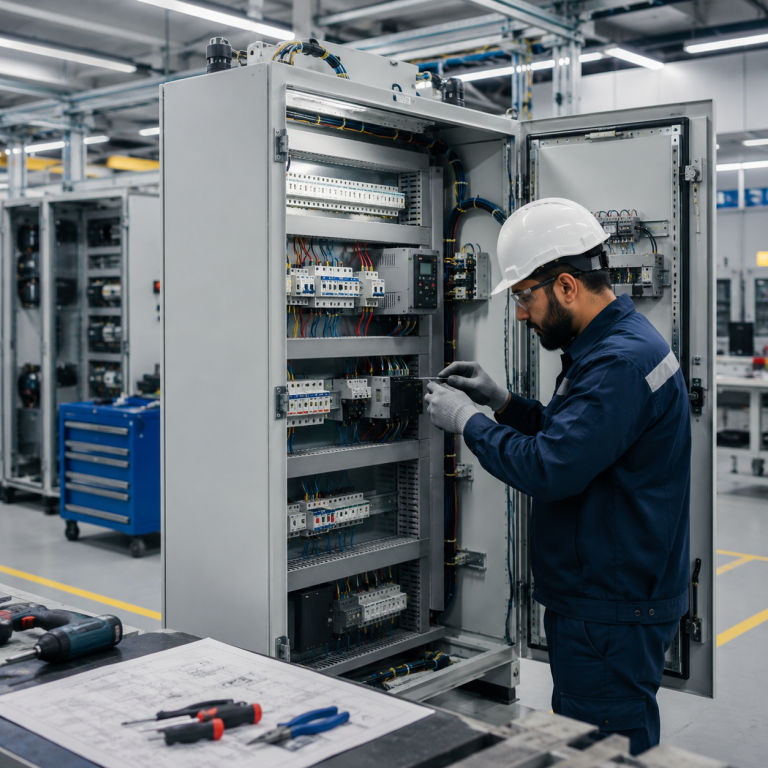
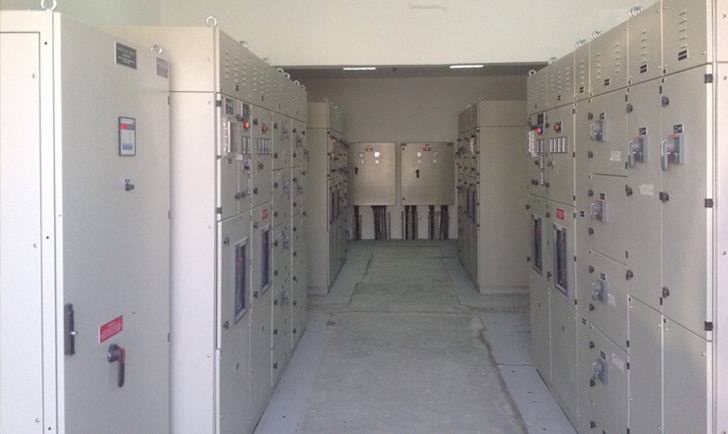
This is where electrical switchgear plays a critical role. Switchgear is the system that controls, protects, and isolates electrical equipment within a facility. It includes components such as circuit breakers, isolators, relays, fuses, busbars, meters, control panels, and protection devices. When designed and installed correctly, switchgear helps prevent electrical faults from turning into equipment failure, fire risk, production shutdown, or safety hazards.
In Dubai, electrical installations must follow strict technical and safety expectations. DEWA has issued regulations and circulars for electrical installations to support safe electrical connections, proper checking, and protection for both users and assets. International standards such as IEC 61439 also define requirements for low-voltage switchgear and controlgear assemblies, including service conditions, construction requirements, technical characteristics, and verification.
What Is Electrical Switchgear?
Electrical switchgear is a collection of electrical devices used to distribute, control, and protect electrical power. In an industrial facility, power enters through the main supply and is distributed to different loads such as motors, chillers, compressors, production lines, pumps, lighting systems, control panels, and HVAC equipment.
Without proper switchgear, electrical faults can spread quickly across the system. A short circuit, overload, insulation failure, or equipment malfunction can damage machinery and create serious safety risks. Switchgear limits this risk by detecting faults, isolating affected circuits, and allowing safe maintenance.
Common types of switchgear include:
Low Voltage Switchgear:
Used for electrical systems up to 1,000V AC, commonly found in industrial buildings, factories, warehouses, and commercial facilities.
Medium Voltage Switchgear:
Used for higher power distribution applications, often required in larger industrial plants, substations, and heavy-duty facilities.
Main Distribution Boards and Sub-Main Distribution Boards:
These distribute power across different zones of a building or facility.
Motor Control Centers:
Used to control motors, pumps, conveyors, fans, and industrial machinery.
Automatic Transfer Switch Panels:
Used where backup generators or alternate power sources are required.
Why Switchgear Is Important for Industrial Safety
The main function of switchgear is protection. Industrial facilities operate with high electrical loads, moving machinery, moisture, dust, heat, and continuous production demands. These conditions increase the importance of reliable electrical protection.
1. Protection Against Electrical Faults
Electrical faults can occur because of overloads, short circuits, loose connections, cable damage, insulation breakdown, or incorrect equipment sizing. Switchgear detects abnormal conditions and disconnects the faulty circuit before the problem spreads.
This protects:
● Workers and maintenance teams
● Production machinery
● Electrical panels and cables
● HVAC and refrigeration systems
● Automation and control equipment
● Building safety systems
2. Reduced Risk of Fire and Equipment Damage
Poor electrical distribution is a major safety concern in industrial environments. Overheating cables, overloaded panels, faulty breakers, and weak terminations can increase fire risk. Correctly selected switchgear helps control current flow, interrupt faults, and maintain safe operating conditions.
For facilities such as food processing plants, bottling factories, poultry farms, cold storage units, and manufacturing plants, electrical failure can also lead to product loss, downtime, and compliance issues.
3. Safe Isolation for Maintenance
Industrial maintenance teams often need to inspect, repair, or replace electrical equipment. Switchgear allows specific circuits or sections to be isolated safely without shutting down the entire facility.
This is especially important for:
● Machinery maintenance
● HVAC servicing
● Pump and motor replacement
● Electrical panel inspection
● Automation system upgrades
● Preventive maintenance schedules
Safe isolation reduces the risk of electric shock and supports controlled maintenance procedures.
4. Better Power Distribution and Load Management
A well-designed switchgear system ensures that electrical loads are properly distributed across the facility. This prevents overloading, voltage imbalance, unnecessary tripping, and equipment stress.
In industrial operations, load planning is critical because machinery, chillers, compressors, conveyors, and production equipment often operate simultaneously. Professional electrical switchgear companies in Dubai evaluate the actual power demand, future expansion needs, equipment ratings, and site conditions before designing the system.
5. Improved Operational Continuity
Unexpected electrical shutdowns can stop production, damage equipment, delay delivery schedules, and increase maintenance costs. Reliable switchgear reduces the chances of unplanned downtime by improving system stability and protection.
For example, if one section of a production line develops a fault, properly coordinated switchgear can isolate only the affected circuit while allowing other areas to continue operating. This selective protection is essential in industrial facilities where downtime has direct financial impact.
Role of Electrical Switchgear Companies in Dubai
Electrical switchgear companies in Dubai do more than supply panels. A professional switchgear and electrical contractor should understand design, authority requirements, site conditions, installation quality, testing, commissioning, and long-term maintenance.
Their role usually includes:
● Site inspection and load assessment
● Electrical design coordination
● Selection of LV or MV switchgear
● Main distribution board and sub-main distribution board installation
● Motor control center integration
● Cable termination and testing
● Protection relay setting and coordination
● Earthing and safety checks
● Testing and commissioning
● Preventive maintenance and troubleshooting
In Dubai, choosing the right electrical partner is important because industrial projects must align with local authority requirements and recognized engineering standards. DEWA also maintains approved lists for certain electrical cable laying works and notes that such lists are updated regularly.
Key Factors When Choosing a Switchgear Company in Dubai
When selecting an electrical switchgear company, industrial clients should focus on technical capability rather than price alone. The right company should provide safe, compliant, and durable solutions.
Look for:
Industrial Experience:
The company should understand factories, warehouses, food processing plants, bottling lines, poultry farms, cold rooms, stables, and machinery-based facilities.
Compliance Knowledge:
The team should be familiar with DEWA requirements, Dubai project practices, IEC standards, and proper testing procedures.
Quality Components:
Switchgear should use reliable breakers, protection devices, meters, busbars, enclosures, and cable accessories.
Proper Load Calculation:
Incorrect sizing can lead to overheating, nuisance tripping, equipment damage, and future expansion problems.
Testing and Commissioning:
Insulation resistance tests, continuity checks, functional testing, protection verification, and thermal inspection should be part of the process.
Maintenance Support:
Industrial switchgear must be inspected regularly to identify loose connections, overheating, dust accumulation, breaker wear, and abnormal load conditions.
Switchgear Maintenance: A Critical Safety Practice
Even high-quality switchgear can become unsafe if it is not maintained. Dust, humidity, heat, vibration, corrosion, loose terminals, aging insulation, and overloaded circuits can affect performance over time.
A good preventive maintenance plan should include:
● Visual inspection of panels and breakers
● Tightness checking of electrical connections
● Thermal imaging to detect hot spots
● Cleaning of panels and ventilation areas
● Testing of protection devices
● Checking of meters and indicators
● Earthing system inspection
● Load monitoring
● Replacement of damaged components
Regular maintenance helps reduce breakdowns, improves safety, and extends the life of electrical assets.
Conclusion
Electrical switchgear is one of the most important systems in any industrial facility. It protects people, machinery, cables, production lines, and building services from electrical faults. For Dubai’s industrial sector, where reliability, compliance, and safety are essential, properly designed and maintained switchgear is a long-term investment in operational performance.
Choosing experienced electrical switchgear companies in Dubai ensures that your facility receives a system designed for real industrial loads, safe maintenance, future expansion, and continuous operation.