Factories and warehouses depend on reliable mechanical systems to maintain safe working conditions, support production, protect stored materials, and keep essential equipment operating efficiently.
From HVAC and ventilation to industrial piping, machinery installation, pumps, ductwork, and mechanical equipment commissioning, every system must be planned around the facility’s operational requirements.
Poorly designed or incorrectly installed mechanical systems can lead to excessive heat, inadequate ventilation, equipment vibration, energy waste, production interruptions, maintenance difficulties, and safety concerns. These risks are especially significant in industrial facilities where machinery, storage conditions, process loads, and continuous operations place high demands on mechanical infrastructure.
Choosing an experienced mechanical contractor in Dubai helps ensure that factory and warehouse systems are properly coordinated, professionally installed, thoroughly tested, and prepared for long-term operation.
This guide explains the main components of industrial mechanical services in the UAE, including HVAC, piping, plant machinery installation, equipment integration, testing, commissioning, and maintenance.
What Are Industrial Mechanical Services?
Industrial mechanical services include the installation, integration, testing, commissioning, maintenance, repair, and upgrading of mechanical systems used in
factories, warehouses, workshops, logistics facilities, processing plants, and other operational environments.
These services support both the building and the industrial processes taking place inside it.
A complete mechanical scope may include:
● HVAC systems
● Ventilation systems
● Air-conditioning equipment
● Ductwork installation
● Chilled-water piping
● Refrigerant piping
● GI and MS piping installation
● Industrial utility pipelines
● Pump installation
● Mechanical equipment installation
● Plant machinery installation
● Equipment alignment
● Equipment base and support installation
● Exhaust systems
● Fresh-air systems
● Process ventilation
● Mechanical insulation
● Equipment connections
● Testing and commissioning
● Preventive maintenance
● Mechanical repairs
● System modifications and upgrades
A professional mechanical installation services provider in the UAE coordinates these activities with electrical, plumbing, automation, structural, and production requirements.
Why Factories and Warehouses Need Specialist Mechanical Expertise
Factories and warehouses have different mechanical requirements from residential and standard commercial buildings.
Industrial facilities often contain heat-generating machinery, production equipment, large storage areas, process loads, loading zones, high ceilings, and continuous operating schedules.
The contractor must understand how these factors influence the mechanical system. Important considerations may include:
● Internal heat loads
● Machinery operating temperatures
● Occupancy levels
● Air-change requirements
● Product storage conditions
● Equipment ventilation
● Dust and fume extraction
● Process cooling
● Building volume
● Loading-bay exposure
● Air pressure requirements
● Equipment access
● Maintenance clearance
● Noise and vibration
● Future expansion
● Energy consumption
● Operational continuity
An experienced industrial mechanical services provider in the UAE assesses the complete facility rather than treating HVAC, piping, and equipment installation as separate activities.
Core Mechanical Services for Factories and Warehouses
1. HVAC System Installation
Heating, ventilation, and air-conditioning systems control temperature, humidity, air movement, and indoor air quality.
In factories and warehouses, HVAC systems may support:
● Worker comfort
● Equipment cooling
● Product protection
● Process stability
● Moisture control
● Air quality
● Odour control
● Dust reduction
● Heat removal
● Pressurisation
● Ventilation of enclosed spaces
Professional HVAC installation may include:
● Packaged air-conditioning units
● Air-handling units
● Fan coil units
● Split and ducted systems
● Rooftop units
● Chillers
● Cooling towers
● Exhaust fans
● Fresh-air fans
● Supply and return ductwork
● Chilled-water piping
● Refrigerant piping
● Grilles and diffusers
● Dampers
● Control devices
● Thermostats and sensors
A qualified HVAC contractor in Dubai should select and install systems based on actual building loads, operational requirements, and equipment conditions.
HVAC Requirements for Factories
Factories often contain machinery, motors, compressors, ovens, production lines, pumps, and control panels that generate heat.
Without adequate ventilation and cooling, internal temperatures can rise quickly. This may affect:
● Worker safety
● Machinery performance
● Electrical components
● Product quality
● Production efficiency
● Equipment life
● Automation systems
● Maintenance conditions
Factory HVAC systems may require a combination of comfort cooling, process ventilation, heat extraction, fresh air, and localised exhaust.
For example, one production area may require cooling, while another requires heat removal or dust extraction. Plant rooms may need dedicated ventilation, and electrical rooms may require controlled temperature conditions.
A professional factory mechanical services contractor should evaluate each zone separately and design the mechanical solution around its actual use.
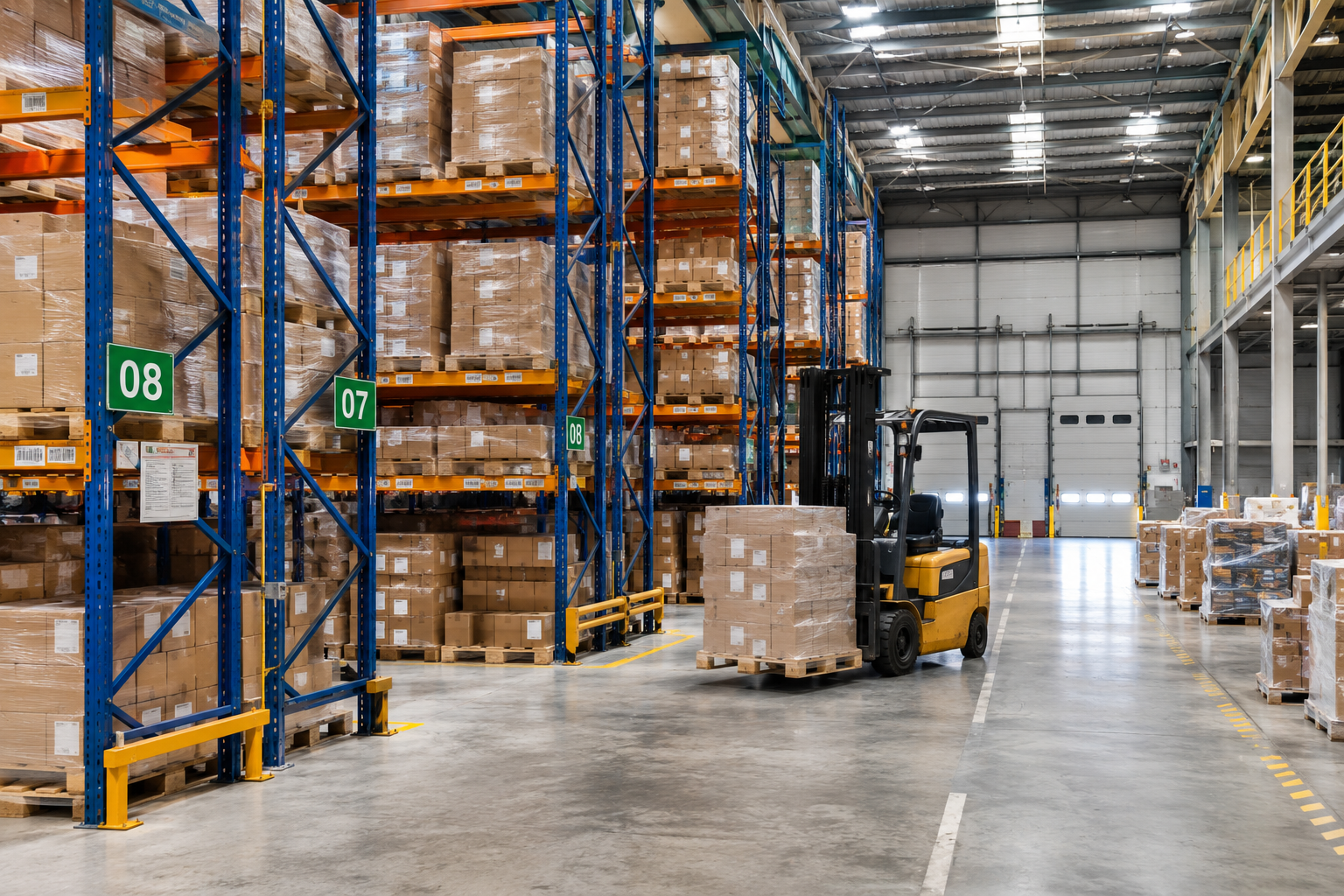
HVAC Requirements for Warehouses
Warehouses present different challenges.
Their large floor areas, high ceilings, loading doors, racking systems, and varying occupancy can make temperature and airflow difficult to control.
Typical warehouse mechanical requirements may include:
● General ventilation
● Heat extraction
● Spot cooling
● Office-area air-conditioning
● Loading-bay ventilation
● Battery-charging area ventilation
● Smoke-control coordination
● Air circulation
● Product-specific temperature control
● Humidity management
● Exhaust systems
● Fresh-air supply
Professional warehouse mechanical services should consider building height, stored materials, racking layout, loading activity, insulation levels, and the required storage environment.
A standard comfort-cooling approach may not be suitable for a large warehouse. The system must be selected based on the facility’s purpose and operating profile.
2. Ventilation and Exhaust Systems
Ventilation systems remove heat, odours, dust, fumes, and contaminated air while supplying fresh air to occupied or operational spaces.
Industrial ventilation may include:
● General exhaust systems
● Fresh-air systems
● Local extraction
● Machine exhaust
● Welding fume extraction
● Heat removal
● Battery-room ventilation
● Toilet and pantry exhaust
● Plant-room ventilation
● Workshop ventilation
● Kitchen exhaust
● Process-area ventilation
Ventilation systems must be carefully balanced.
Excessive exhaust without sufficient replacement air can create negative pressure, affect door operation, reduce HVAC performance, and draw dust into the building.
Insufficient exhaust may allow heat, fumes, or contaminants to accumulate.
A professional contractor should evaluate both the exhaust requirement and the required makeup air.
3. Industrial Ductwork Installation
Ductwork distributes supply air, return air, fresh air, and exhaust air throughout the facility.
Industrial ductwork may be fabricated from:
● Galvanised iron
● Pre-insulated panels
● Stainless steel
● Aluminium
● Specialised coated materials
The selected material depends on the application, temperature, air quality, environmental conditions, and project specification.
A complete ductwork installation may include:
● Main ducts
● Branch ducts
● Flexible connections
● Volume control dampers
● Fire and smoke dampers
● Access doors
● Grilles
● Diffusers
● Louvres
● Duct supports
● Acoustic treatment
● Thermal insulation
● Vibration isolation
Poor duct installation can cause air leakage, excessive noise, vibration, low airflow, uneven cooling, and high energy consumption.
Correct fabrication, sealing, support spacing, and insulation are essential for efficient performance.
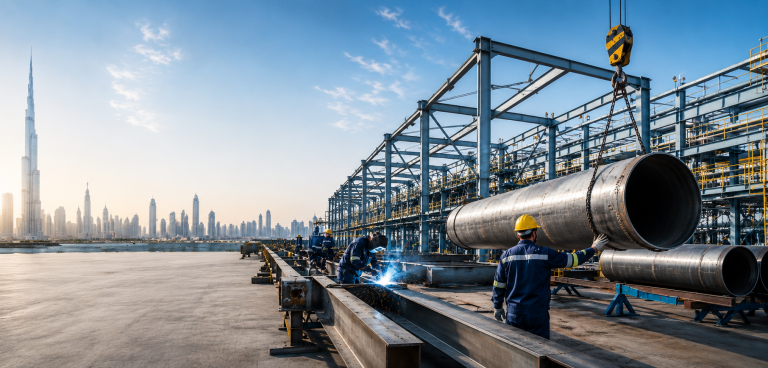
4. Industrial Piping Installation
Factories and warehouses often require mechanical piping for cooling, heating, compressed air, water circulation, drainage support, equipment connections, and utility distribution.
Industrial piping services may include:
● Chilled-water piping
● Condenser-water piping
● Cooling-water lines
● Compressed-air pipelines
● Process utility piping
● Pump suction and discharge piping
● Equipment connection lines
● Condensate drainage
● Utility water lines
● Tank connections
● External pipelines
● Underground piping
● Valve stations
● Equipment bypass lines
An experienced industrial piping contractor in the UAE selects the correct pipe material, wall thickness, fittings, supports, valves, insulation, and jointing method for each application.
Industrial piping must also be coordinated with electrical systems, machinery, structural steel, access routes, and future maintenance requirements.
5. GI and MS Piping Installation
Galvanised iron and mild steel pipes are widely used in industrial and mechanical applications.
Professional GI and MS piping installation may be required for:
● Compressed-air systems
● Chilled-water networks
● Cooling-water lines
● Utility pipelines
● Pump connections
● Equipment services
● Vent lines
● Industrial water systems
● Mechanical plant rooms
GI Piping
Galvanised iron piping may be used where corrosion resistance and mechanical strength are required.
Installation may involve:
● Threaded joints
● Grooved joints
● Flanged connections
● Valves and fittings
● Supports and hangers
● Pressure testing
● Identification and labelling
MS Piping
Mild steel piping is commonly used for larger mechanical and industrial systems. Installation may include:
● Pipe cutting
● Edge preparation
● Welding
● Flanged connections
● Valve installation
● Pipe supports
● Surface treatment
● Painting or coating
● Pressure testing
● Insulation
Welding quality, alignment, support spacing, and surface protection are critical in MS piping systems.
Poor workmanship can result in leakage, corrosion, vibration, and premature failure.
6. Chilled-Water Piping Systems
Chilled-water systems distribute cooled water between chillers, air-handling units, fan coil units, and other cooling equipment.
A chilled-water installation may include:
● Supply and return piping
● Pumps
● Isolation valves
● Balancing valves
● Strainers
● Flexible connectors
● Air separators
● Expansion tanks
● Pressure gauges
● Temperature gauges
● Drain valves
● Air vents
● Insulation
● Pipe identification
Correct pipe sizing, insulation, balancing, and pump selection are necessary for efficient cooling.
Poorly balanced chilled-water systems may cause insufficient cooling in some areas while wasting energy in others.
Condensation control is also important. Inadequate insulation can create moisture, damage finishes, and increase corrosion risk.
7. Compressed-Air Piping
Compressed air is widely used in factories, workshops, packaging lines, automation systems, and machinery.
Compressed-air systems may include:
● Air compressors
● Air receivers
● Main headers
● Branch lines
● Drop lines
● Isolation valves
● Filters
● Regulators
● Dryers
● Drain points
● Flexible equipment connections
● Pressure gauges
Compressed-air piping should be designed to reduce pressure loss, moisture accumulation, and leakage.
The layout should allow isolation of individual production areas without shutting down the complete system.
Poorly installed compressed-air networks can waste significant energy through leakage and excessive pressure drop.
8. Pump Installation
Pumps are used in many mechanical systems to circulate, transfer, or pressurise fluids.
Mechanical pump services may include:
● Chilled-water pumps
● Condenser-water pumps
● Cooling-water pumps
● Circulation pumps
● Transfer pumps
● Booster pumps
● Process pumps
● Utility pumps
● Drainage pumps
Professional pump installation requires careful attention to:
● Pump duty
● Flow rate
● Head pressure
● Suction conditions
● Pipe sizing
● Alignment
● Base installation
● Vibration isolation
● Flexible connections
● Valve arrangement
● Strainers
● Motor power
● Control requirements
● Maintenance access
Incorrect pump installation may cause vibration, cavitation, seal failure, motor overload, excessive noise, and poor system performance.
9. Mechanical Equipment Installation
Factories and warehouses often require specialised equipment to support production, utilities, cooling, ventilation, and material handling.
Professional mechanical equipment installation in the UAE may include:
● Air-handling units
● Chillers
● Cooling towers
● Pumps
● Compressors
● Exhaust fans
● Ventilation units
● Heat exchangers
● Tanks
● Filters
● Blowers
● Conveyors
● Industrial machines
● Packaging equipment
● Production-line components
Mechanical equipment installation may involve:
● Delivery coordination
● Offloading
● Lifting
● Positioning
● Base preparation
● Levelling
● Alignment
● Anchoring
● Vibration isolation
● Piping connections
● Duct connections
● Electrical coordination
● Control integration
● Testing
● Startup support
Equipment must be installed according to manufacturer requirements, approved drawings, and site conditions.
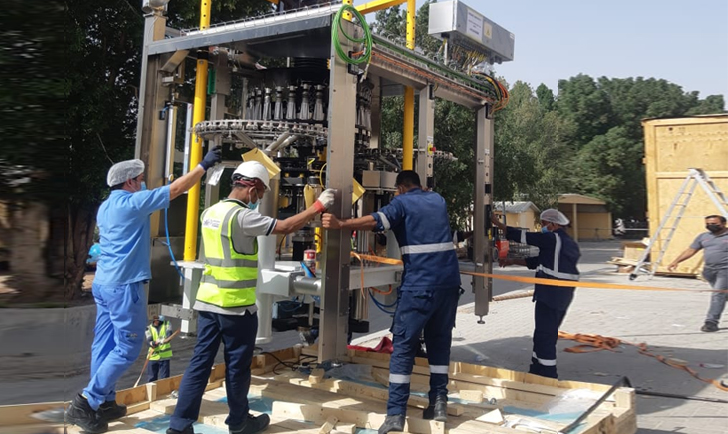
10. Plant Machinery Installation in Dubai
Plant machinery installation requires detailed planning and close coordination between mechanical, electrical, automation, structural, and production teams.
Professional plant machinery installation in Dubai may include:
● Production machinery
● Processing equipment
● Filling machines
● Packaging machines
● Conveyors
● Mixers
● Pumps
● Compressors
● Blowers
● Tanks
● Utility skids
● Industrial ovens
● Cooling equipment
● Material-handling systems
The machinery installation process may involve:
● Site readiness inspection
● Equipment delivery planning
● Lifting studies
● Offloading
● Internal movement
● Positioning
● Alignment
● Levelling
● Grouting
● Anchoring
● Utility connection
● Guarding
● Control integration
● Dry testing
● Trial operation
● Final commissioning
A small alignment error can affect bearings, shafts, couplings, conveyors, and rotating equipment.
For this reason, machinery should be installed using suitable measuring tools, lifting methods, and alignment procedures.
Machinery Base and Foundation Coordination
Heavy machinery often requires dedicated foundations, plinths, support frames, or structural bases.
The mechanical contractor should verify:
● Foundation dimensions
● Equipment weight
● Anchor bolt locations
● Baseplate condition
● Grouting requirements
● Floor loading
● Vibration requirements
● Access clearances
● Maintenance zones
● Utility entry points
Incorrect foundation preparation can delay installation and create long-term equipment problems.
Mechanical and civil teams should coordinate before the equipment arrives on site.
Equipment Alignment and Levelling
Alignment is essential for rotating and connected machinery.
Improper alignment can cause:
● Vibration
● Bearing wear
● Coupling damage
● Seal failure
● Excessive power consumption
● Noise
● Shaft damage
● Reduced equipment life
Alignment activities may include:
● Base levelling
● Shaft alignment
● Coupling alignment
● Pulley alignment
● Conveyor alignment
● Motor and pump alignment
● Soft-foot correction
Final alignment should be checked after piping and other connections are completed because external forces can move equipment out of position.
Mechanical Supports and Structural Coordination
Mechanical systems depend on properly designed supports.
Supports may be required for:
● Ductwork
● Piping
● Pumps
● Air-handling units
● Fans
● Compressors
● Equipment platforms
● Tanks
● Conveyors
● Utility lines
Support systems must carry the equipment load while controlling movement, vibration, thermal expansion, and service access.
Improvised or undersized supports can create serious safety risks.
Mechanical supports should be coordinated with structural drawings and installed using suitable materials, anchors, and protective coatings.
Thermal Insulation
Mechanical insulation helps reduce energy loss, control condensation, protect personnel, and maintain system temperatures.
Insulation may be applied to:
● Chilled-water pipes
● Refrigerant pipes
● Hot-water lines
● Ductwork
● Tanks
● Equipment
● Valves
● Flanges
Correct insulation depends on:
● Operating temperature
● Pipe or duct size
● Environmental exposure
● Vapour-control requirements
● Fire-performance requirements
● Mechanical protection
● Outdoor conditions
Damaged or incomplete insulation can lead to condensation, energy loss, corrosion, and reduced system efficiency.
Vibration and Noise Control
Mechanical equipment such as pumps, compressors, fans, and air-handling units can generate vibration and noise.
Without proper control, vibration may transfer into:
● Floors
● Walls
● Ductwork
● Piping
● Structural supports
● Nearby equipment
Vibration-control measures may include:
● Spring isolators
● Rubber pads
● Flexible connectors
● Inertia bases
● Acoustic lining
● Silencers
● Correct equipment alignment
● Balanced rotating components
Noise and vibration should be considered during installation rather than treated only after complaints occur.
Mechanical Services for Different Industrial Sectors Manufacturing Facilities
Manufacturing facilities may require:
● Machine ventilation
● Compressed air
● Cooling-water systems
● Equipment exhaust
● Machinery installation
● Process piping
● Pump systems
● Production-line support
● Heat extraction
● Mechanical maintenance
Mechanical services must be coordinated with production layouts and future expansion plans.
Food Processing Plants
Food processing facilities may require:
● Hygienic ventilation
● Controlled temperatures
● Process cooling
● Equipment installation
● Utility piping
● Exhaust systems
● Washdown-compatible installations
● Condensation control
● Production-area ventilation
Materials and installation methods should suit the operating environment and cleaning requirements.
Bottling Plants
Bottling plants depend on:
● Conveyors
● Filling equipment
● Compressors
● Pumps
● Cooling systems
● Utility pipelines
● Packaging machinery
● Ventilation
● Equipment alignment
● Production-line commissioning
Mechanical coordination is essential because multiple machines must operate as one connected system.
Poultry Farms
Poultry facilities require:
● Ventilation
● Cooling
● Exhaust fans
● Air circulation
● Pump systems
● Utility pipelines
● Automated equipment support
● Environmental-control systems
Mechanical systems must support animal welfare, airflow, temperature control, and reliable continuous operation.
Warehouses and Logistics Facilities
Warehouse mechanical services may include:
● General ventilation
● Loading-area exhaust
● Office HVAC
● Battery-room ventilation
● Air circulation
● Utility piping
● Pump rooms
● Equipment installation
● Maintenance support
The system should reflect the warehouse layout, stored products, and operational activity.
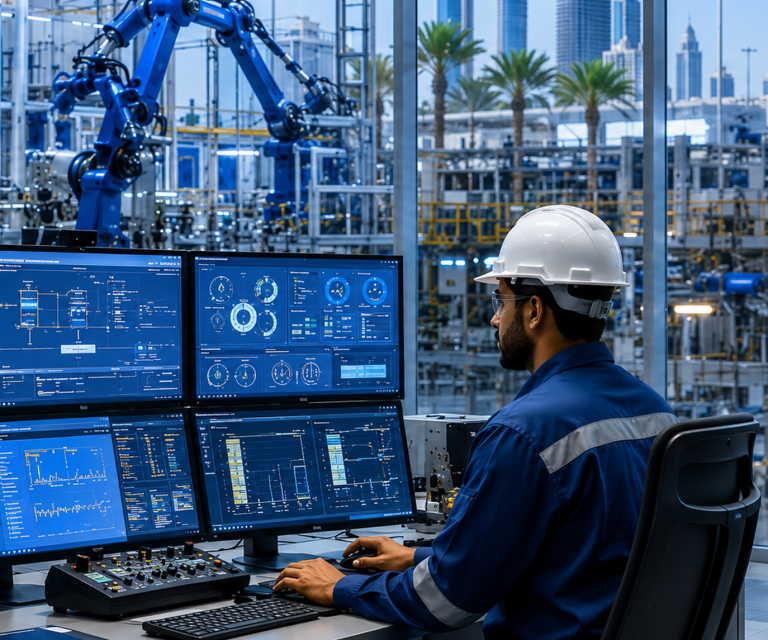
HVAC Testing and Commissioning
HVAC installation is not complete until the system has been properly inspected, tested, adjusted, and commissioned.
Professional HVAC testing and commissioning confirms that equipment, ductwork, piping, controls, and airflow systems operate according to the intended design.
Testing and commissioning may include:
● Visual inspections
● Equipment rotation checks
● Motor current measurement
● Airflow measurement
● Duct leakage inspection
● Filter inspection
● Temperature measurement
● Humidity checks
● Chilled-water flow verification
● Pump testing
● Valve operation checks
● Pressure measurement
● Thermostat testing
● Sensor verification
● Control sequence testing
● Fresh-air measurement
● Exhaust-air measurement
● System balancing
● Noise and vibration checks
● Final performance testing
Commissioning helps identify problems before the system enters full operation.
Air Balancing
Air balancing ensures that the correct amount of air reaches each area. Poor airflow balance may result in:
● Hot and cold zones
● Weak ventilation
● Excessive noise
● Negative pressure
● Door-operation problems
● Odour movement
● High energy consumption
Technicians may adjust dampers, fan settings, grilles, and control parameters to achieve the required airflow.
Final balancing results should be documented for future maintenance and troubleshooting.
Water Balancing
Hydronic HVAC systems require correct water flow through pumps, chillers, air-handling units, fan coil units, and branch circuits.
Water balancing may involve:
● Measuring flow
● Adjusting balancing valves
● Checking differential pressure
● Confirming pump performance
● Verifying supply and return temperatures
● Checking control valves
● Removing trapped air
Poor water balance can reduce cooling performance and increase pump energy consumption.
Mechanical Piping Testing
Mechanical pipelines should be tested before insulation, concealment, or full system operation.
Testing may include:
● Visual inspection
● Weld inspection
● Joint inspection
● Pressure testing
● Leakage testing
● Flushing
● Cleaning
● Air removal
● Valve testing
● Support inspection
● Alignment verification
The testing method depends on the pipe material, application, operating pressure, and project requirements.
Any leakage, movement, or pressure loss should be corrected before commissioning.
Machinery Testing and Startup
After installation, machinery should be tested in controlled stages. The process may include:
● Mechanical inspection
● Lubrication checks
● Guard inspection
● Alignment verification
● Manual rotation
● Electrical readiness confirmation
● Dry run
● No-load testing
● Load testing
● Emergency stop testing
● Sensor verification
● Control-sequence testing
● Vibration measurement
● Temperature monitoring
● Trial production
Startup should be coordinated with the equipment supplier, electrical contractor, automation team, and client representatives where required.
Mechanical Maintenance Services
Mechanical systems require regular maintenance to remain safe, efficient, and reliable.
Preventive maintenance helps identify wear, leakage, vibration, contamination, and performance loss before a breakdown occurs.
Mechanical maintenance may include:
● HVAC servicing
● Filter replacement
● Coil cleaning
● Fan inspection
● Belt inspection
● Pump servicing
● Alignment checks
● Bearing lubrication
● Valve inspection
● Pipe leakage checks
● Duct inspection
● Compressor maintenance
● Equipment vibration checks
● Insulation repairs
● Machinery inspection
● Emergency repairs
Maintenance requirements should reflect equipment operating hours, environmental conditions, production demands, and manufacturer recommendations.
Preventive HVAC Maintenance
Preventive HVAC maintenance may include:
● Cleaning filters
● Cleaning coils
● Inspecting fans
● Checking belts
● Measuring motor current
● Inspecting drains
● Checking refrigerant conditions
● Testing controls
● Inspecting insulation
● Measuring temperatures
● Checking vibration
● Inspecting ductwork
● Verifying airflow
Regular maintenance improves indoor conditions and helps control energy consumption.
Mechanical Equipment Maintenance
Mechanical equipment maintenance may involve:
● Lubrication
● Bearing replacement
● Seal inspection
● Coupling checks
● Belt adjustment
● Alignment
● Vibration analysis
● Fastener tightening
● Cleaning
● Motor inspection
● Performance testing
● Spare-parts replacement
Maintenance teams should address the root cause of repeated failures instead of replacing components without further investigation.
Common Mechanical Problems in Factories and Warehouses
Inadequate Cooling
Insufficient cooling may result from undersized equipment, dirty coils, poor airflow, low water flow, control issues, or increased heat load.
Poor Ventilation
Ventilation problems may be caused by failed fans, blocked filters, incorrect ductwork, closed dampers, or insufficient fresh air.
Excessive Vibration
Vibration may result from misalignment, loose supports, damaged bearings, poor foundations, or unbalanced rotating equipment.
Pipeline Leakage
Leakage may be caused by poor welding, loose joints, corrosion, excessive pressure, vibration, or inadequate supports.
Pump Failure
Pump problems may result from cavitation, dry running, poor alignment, blocked strainers, seal damage, or incorrect operating conditions.
Uneven Air Distribution
Uneven airflow may be caused by poor balancing, duct leakage, incorrect damper positions, or unsuitable diffuser placement.
Condensation
Condensation may occur due to damaged insulation, vapour-barrier failure, cold surfaces, or high humidity.
Machinery Misalignment
Misalignment may lead to repeated bearing, coupling, seal, and motor failures.
Planned inspections and structured maintenance help identify these issues before they cause major operational disruption.
Mechanical System Upgrades and Facility Expansion
Factories and warehouses often expand production, add machinery, change layouts, or increase storage capacity.
These changes can affect existing mechanical systems.
Before expansion, the contractor should review:
● HVAC capacity
● Ventilation performance
● Electrical room cooling
● Pump capacity
● Piping sizes
● Duct routes
● Equipment loads
● Compressed-air demand
● Utility availability
● Equipment access
● Maintenance clearances
● Structural capacity
● Control-system compatibility
Mechanical upgrades may include:
● Additional HVAC units
● Larger ventilation fans
● Duct modifications
● New exhaust systems
● Additional chilled-water branches
● New pumps
● Pipeline extensions
● Compressor upgrades
● Machinery relocation
● Equipment replacement
● Control upgrades
● Energy-efficiency improvements
A technical assessment helps prevent overloading and ensures that new equipment is properly supported.
Energy Efficiency in Industrial Mechanical Systems
Mechanical systems can account for a significant portion of a facility’s energy use. Energy performance may be improved through:
● Correct equipment sizing
● Efficient motors
● Variable-frequency drives
● Proper insulation
● Air and water balancing
● Clean filters and coils
● Reduced compressed-air leakage
● Optimised operating schedules
● Improved controls
● Regular maintenance
● Heat-load reduction
● Efficient ventilation strategies
Energy efficiency should not reduce operational safety or required ventilation. The goal is to deliver the required performance with less waste.
Safety During Mechanical Installation
Mechanical works involve heavy equipment, lifting operations, hot work, elevated access, pressurised systems, and rotating machinery.
Safe execution should include:
● Approved method statements
● Risk assessments
● Permit-to-work controls
● Lifting plans
● Certified lifting equipment
● Hot-work permits
● Fire-watch procedures
● Correct PPE
● Safe access platforms
● Equipment isolation
● Barricading
● Pressure-test controls
● Competent supervision
● Housekeeping
● Emergency procedures
Factories and warehouses may remain operational during installation or maintenance. In these cases, the contractor must carefully coordinate work zones, access routes, production activities, and shutdown requirements.
How to Choose the Right Mechanical Contractor in Dubai
Selecting the right contractor is essential for system safety, reliability, and long-term performance.
Clients should evaluate:
● Experience with factories and warehouses
● HVAC capability
● Industrial piping expertise
● Machinery installation experience
● Qualified supervisors and technicians
● Welding and fabrication capability
● Lifting and equipment-handling experience
● Testing and commissioning procedures
● Safety systems
● Quality-control processes
● Maintenance support
● Project documentation
● Coordination with electrical and automation teams
● Experience in live operational facilities
● Ability to manage system upgrades
The lowest quotation may not offer the best long-term value.
Poor mechanical installation can lead to energy waste, equipment damage, repeated repairs, production delays, and safety risks.
A reliable contractor should provide a clear scope covering materials, installation, supports, testing, commissioning, documentation, and handover.
Why Choose JBT World for Mechanical Services?
JBT Building Contracting LLC, known as JBT World, provides integrated mechanical, electrical, plumbing, automation, machinery installation, industrial construction, and facility maintenance services across the UAE.
Our mechanical capabilities include:
● HVAC installation
● Ventilation systems
● Industrial ductwork
● Chilled-water piping
● GI and MS piping installation
● Compressed-air piping
● Pump installation
● Mechanical equipment installation
● Plant machinery installation
● Equipment positioning and alignment
● Utility connections
● Exhaust systems
● Mechanical insulation
● HVAC testing and commissioning
● Pipeline testing
● Machinery startup support
● Preventive maintenance
● Mechanical repairs
● Facility upgrades
Our approach focuses on technical planning, safe execution, installation quality, system coordination, and reliable long-term performance.
Because mechanical systems are closely connected with electrical power, plumbing, automation, structural works, and production equipment, JBT World coordinates the complete project scope to reduce delays and technical conflicts.
Conclusion
Factories and warehouses require mechanical systems that are reliable, efficient, safe, and suited to their specific operating conditions.
From HVAC and ventilation to industrial piping, pumps, machinery, and equipment installation, every component must be properly planned, coordinated, installed, tested, and maintained.
Working with an experienced mechanical contractor in Dubai helps reduce installation risks, improve system efficiency, protect equipment, and support uninterrupted facility operations.
For companies requiring dependable industrial mechanical services in the UAE, the right contractor should provide more than basic installation. The contractor should understand factory operations, warehouse conditions, equipment integration, piping systems, HVAC performance, commissioning, and long-term maintenance requirements.
JBT World delivers coordinated mechanical solutions for industrial and commercial facilities across the UAE.
Partner with JBT World
Looking for professional mechanical services for a factory, warehouse, processing plant, workshop, or industrial facility?
JBT World provides HVAC, piping, pump, machinery installation, equipment integration, testing, commissioning, maintenance, and mechanical upgrade services across Dubai and the UAE.
Contact JBT World to discuss your requirements for factory mechanical services, warehouse mechanical services, plant machinery installation, GI and MS piping, industrial ventilation, or HVAC testing and commissioning.